
All articles
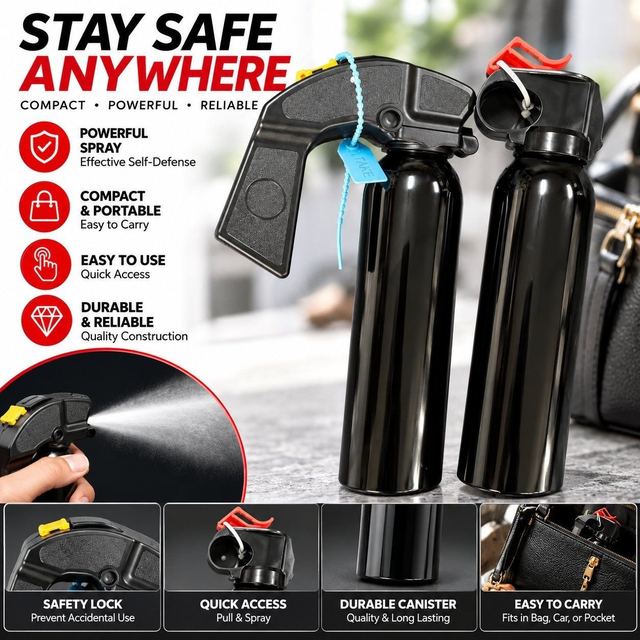
Aluminium Aerosol Cans For Self-Defence Spray: Sizes, Valves And Components
The eight sizes we make for self-defence spray, the push-button, safety-cap, keychain and trigger formats, the actuators that go with them, and where the brand's regulatory responsibility begins.
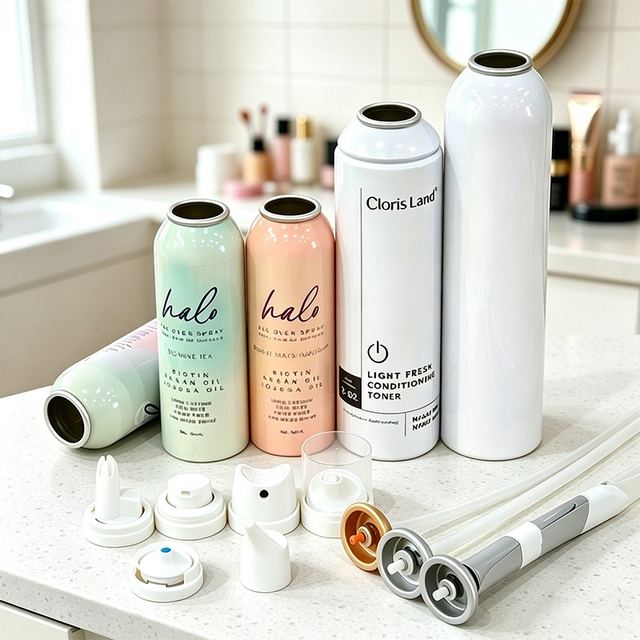
Aluminium Aerosol Cans For Cosmetics: Facial Mist, Sunscreen And Perfume Sprays
Facial mist, hydrating mist, sunscreen, hair spray and perfume sizes, the fine mist, continuous spray and bag-on-valve options, and where BOV earns its cost.
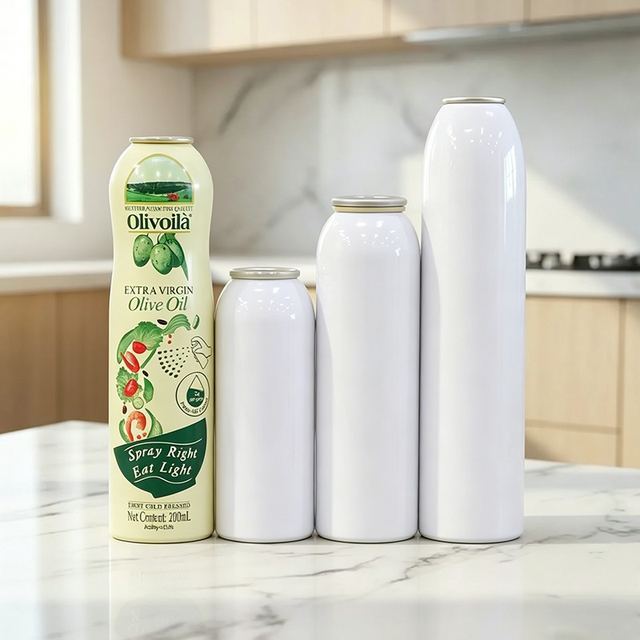
Food-Grade Aluminium Aerosol Cans For Olive Oil And Cooking Sprays
The 200 ml and 300 ml cooking spray sizes, why bag-on-valve dominates food, and a plain account of what our coating and migration reports cover and do not.
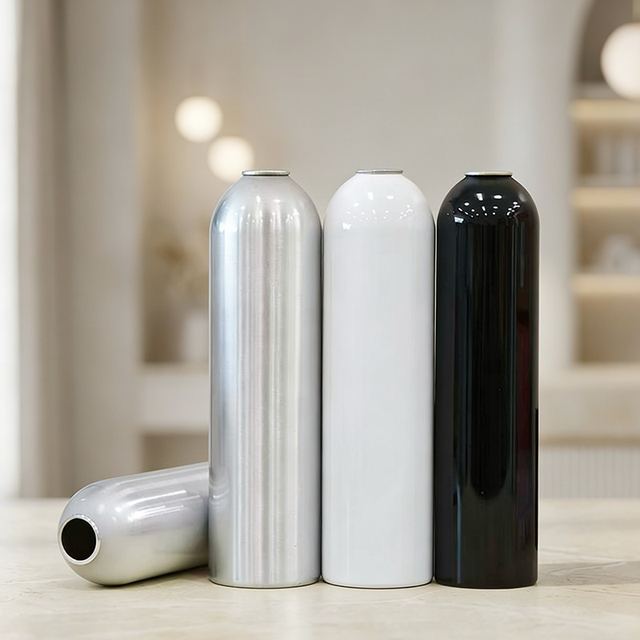
High-Pressure Aluminium Aerosol Cans For Fire Suppression And Portable Oxygen
Portable oxygen from 100 to 500 ml and fire suppression from 400 to 600 ml — what changes on the can side, the trigger valve option, and how pressure is verified.

Cream Mousse And Foam Aerosol Cans: One Body, Food And Cosmetic Valves
Cream foam and food foam valves for cleansing foam, hair mousse, shaving foam and whipped dessert — why the valve sets the format, and how food and cosmetic specifications differ.
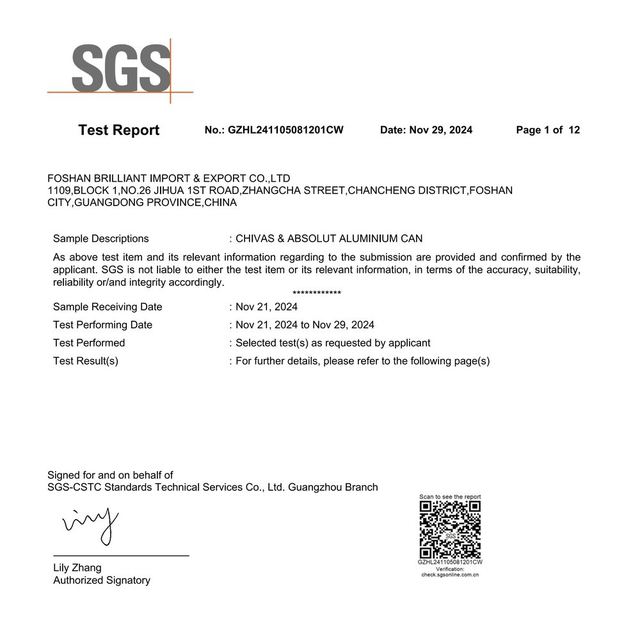
How To Read Our Test Reports
What each of our three reports actually covers, the five fields that decide whether a report is worth anything, and what to request for your market.
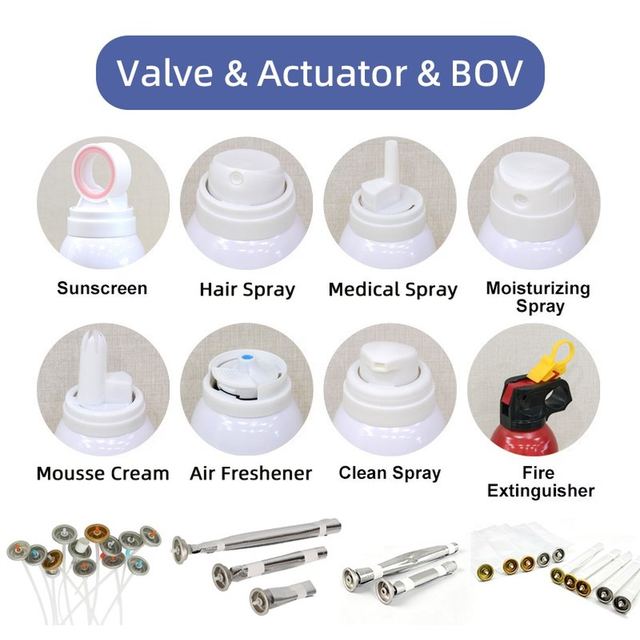
Bag-On-Valve Aerosol Cans: How BOV Works And When To Choose It
What a BOV can actually is, why the propellant never touches your formula, and the cases where the extra cost pays for itself.
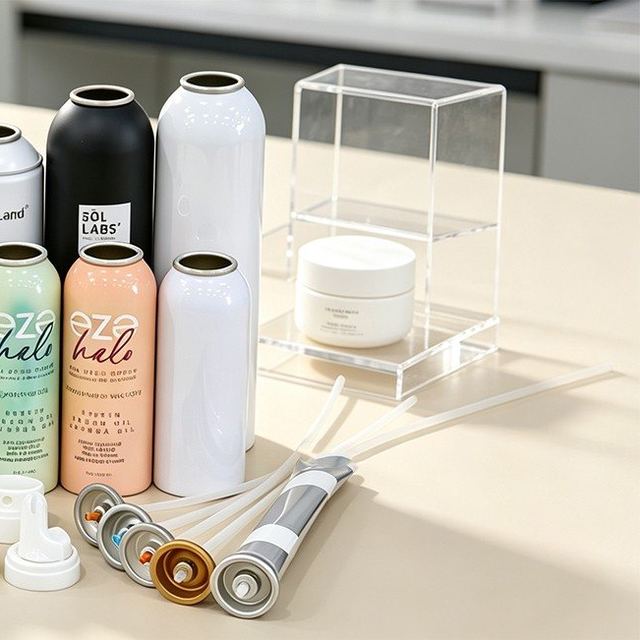
Aluminium vs Plastic vs Glass Aerosol Packaging: How To Choose
Where each material wins and where it does not — pressure, weight, recyclability, decoration and compatibility.
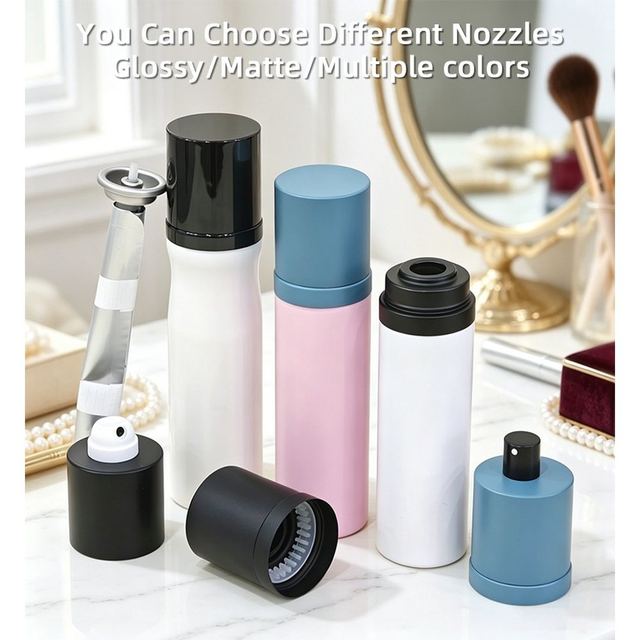
Aerosol Valve Sizes Explained: 1-Inch, 20 mm And 13 mm Crimp
The opening is the interface between can and valve. What each standard means, and how to specify yours properly.
What these articles are based on
Every number, report number and test procedure referenced here comes from work we have actually done: our own line records, our own third-party reports, and the questions buyers send us before an order. When we do not know something — a mould cost for a size we have never run, for instance — the page says so rather than inventing a figure.
If there is a topic you want covered, tell us on the contact page; the questions that come up repeatedly are the ones that get written next.
Looking for specifications rather than background? The product pages carry the dimensions, MOQ and lead time for each can, and the certificates page lists our test reports.